For more information, please review our Privacy Policy.


Traction Signals for AI Startups: What Investors Actually Look For
A practical guide to the traction metrics and proof points that make AI products credible and investor-ready – even before significant revenue.
Why “traction” in AI is misunderstood
Many early-stage AI teams assume traction means one thing: revenue.
In reality, investors use traction to answer a simpler question:
“Is this AI company building something the market will adopt – and can it scale?”Because AI products often have longer cycles (technical validation, integration, trust barriers, data dependencies), early traction is usually more about signal quality than size.This article outlines the traction signals investors commonly trust — and how to communicate them without overclaiming.
1) Product traction: proof that users need the product
What investors look for
- Active usage (not just signups)
- Returning behavior
- Usage intensity (frequency + depth)
- Growth in usage over time
Strong AI-specific indicators
- Activation rate: % of users reaching the “aha moment”
- Time-to-value: how quickly AI produces meaningful output
- Workflow integration depth: how embedded your product becomes
Founder tip: In AI, investors pay attention to behavioral adoption, because it predicts retention.
2) Customer traction: proof that buyers will pay (or are preparing to)
What investors look for
- Paid customers OR clear path to paid conversion
- Enterprise interest signals
- Shortening sales cycle over time
Strong early-stage indicators (even without revenue)
- Letters of intent (LOIs) with clear scope
- Pilots with defined success metrics
- Expansion from pilot → wider deployment
- Procurement/legal progress (enterprise)
Avoid: “We have partnerships” without defining what the partner actually does.
3) Retention: the strongest traction signal of all
In early fundraising, retention is more powerful than revenue.What investors look for
- Cohort retention curves
- Renewal and churn indicators
- Ongoing usage after initial experimentation
How to frame retention for AI
- Retention by use case
- Retention by customer segment
- Retention by workflow (which workflows “stick”)
Investor logic: AI may impress in week 1. Retention shows it delivers value in week 8.
4) Model performance: signal – not the story
Yes, model performance matters. But rarely as a standalone fundraising argument.What investors look for
- Clear benchmarking methodology
- Consistent evaluation process
- Responsible claims (no inflated numbers)
Strong signals
- Offline + online evaluation
- Comparative baselines (rules-based, human process, competitor)
- Continuous improvement system (monitoring + retraining strategy)
Important: “Our model is 95% accurate” means nothing without context.
5) Data advantage & defensibility: why you’ll win long-term
In competitive AI categories, investors want to understand:“Why can this team win defensibly?”Strong defensibility signals
- Proprietary dataset access (legitimate and scalable)
- Data flywheel (usage → better output → more usage)
- Workflow lock-in and switching costs
- Domain-specific insight that improves outcomes
How to communicate it: Keep it simple: Source → scale → uniqueness → compounding value.
6) Distribution traction: go-to-market that actually works
For AI companies, distribution is often the biggest risk.What investors look for
- Repeatable acquisition channel
- Early evidence of CAC logic (even before stable numbers)
- Clear ICP (ideal customer profile)
Strong signals
- Inbound demand from a clear niche
- Community adoption (for dev tools)
- “Champion-led adoption” in teams
- Integration-led distribution (platform ecosystems)
Investor question: How do you get 100 customers – and then 1,000?
7) Sales traction (B2B): proof your motion is real
AI B2B sales can be complex. Investors are not expecting perfection – they want evidence you can learn fast.Strong signals
- Pipeline velocity improving
- Conversion rates by stage
- Shortening time-to-close
- Pilot-to-paid conversion rate
Pro tip: show the funnel, not just the total pipeline number.
8) Team execution signal: the “hidden traction”
Some traction is not in metrics – it’s in execution.Investors look for teams who:
- move quickly and build consistently
- measure outcomes, not activity
- can sell the product they build
- communicate with clarity
Strong proof points
- weekly shipping cadence
- clear roadmap with outcome-based milestones
- customer feedback loops
9) The best AI traction slide: what it includes
If you’re building your pitch deck, traction should be presented as:
- Signal
- Proof
- Trend
- What it unlocks next
A high-quality traction slide usually includes:
- 2-4 metrics maximum
- clear time range (e.g., last 8 weeks / last 6 months)
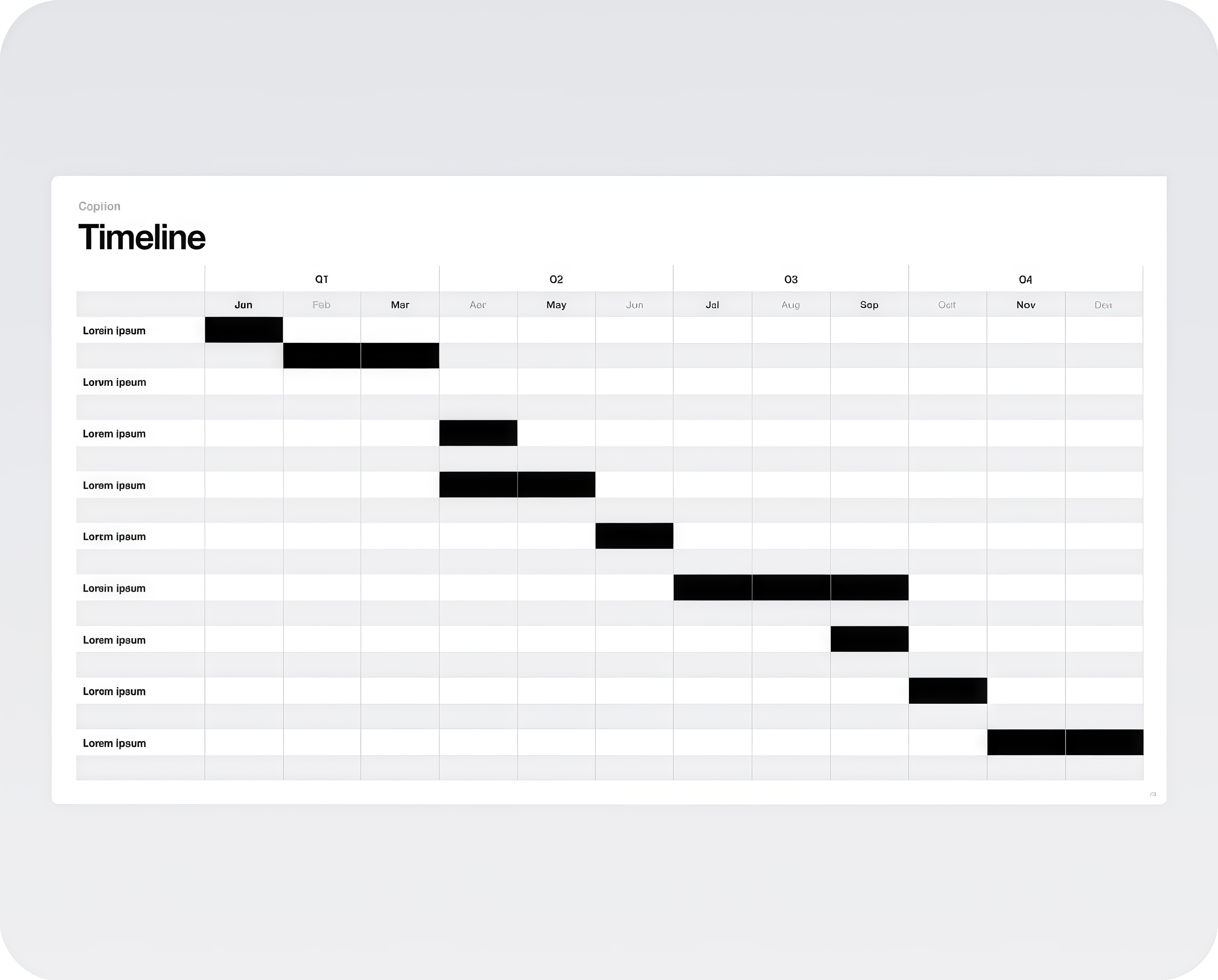
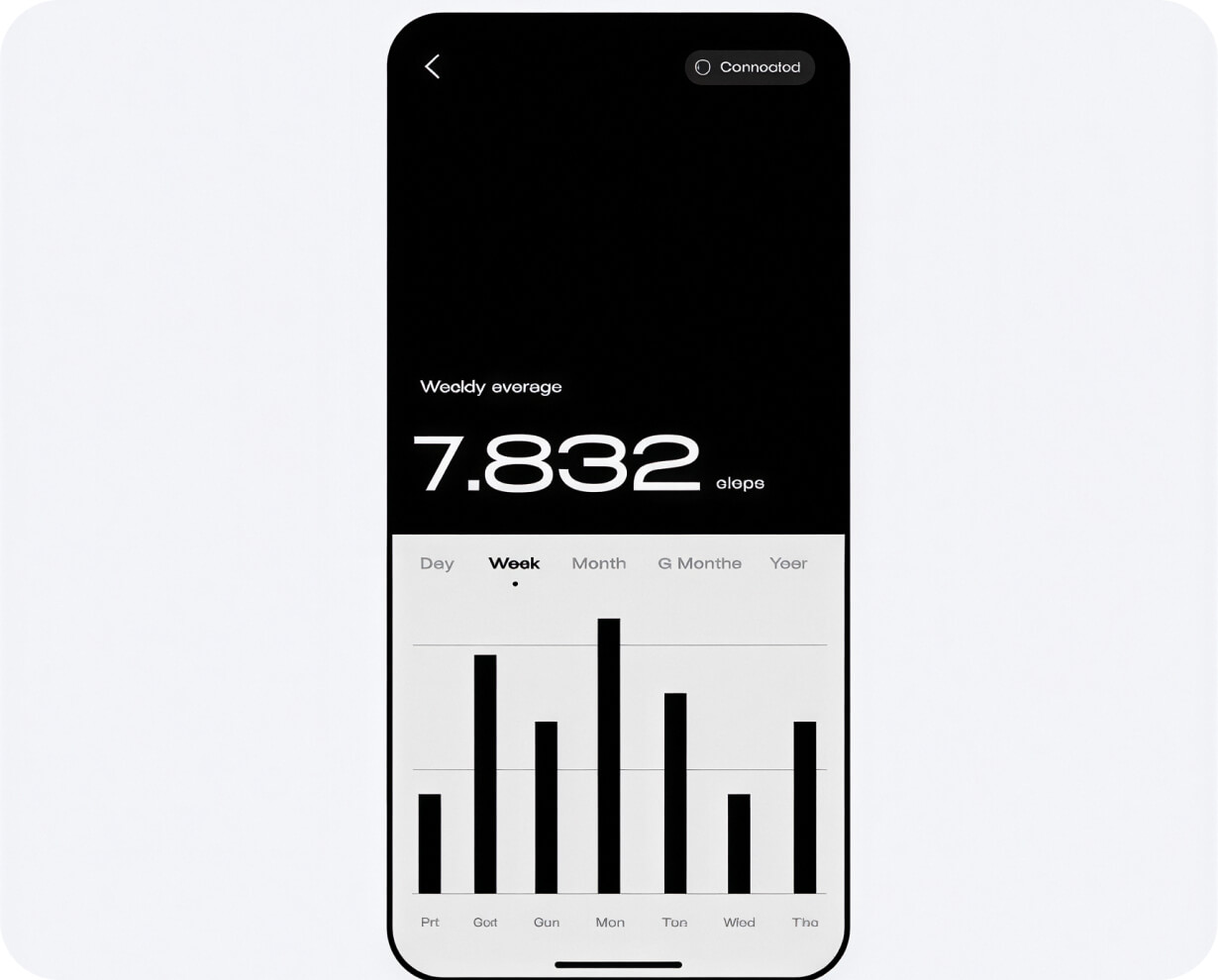
- a visible trend line or simple table
- one sentence: why this matters
Common traction mistakes AI teams should avoid
- treating “model accuracy” as traction
- listing logos without usage proof
- confusing interest with adoption
- claiming “partnerships” without specifics
- overloading the deck with metrics that don’t answer investor questions
Rule: traction should reduce uncertainty, not create more questions.
Final takeaway
AI fundraising rewards teams that build clear signal.Traction is not a single number – it’s evidence that your product is being adopted, delivering value, and moving toward scale with a defensible long-term advantage.At Futurprise Tech, we help AI teams frame traction the way investors actually evaluate it: with clarity, credibility, and structured execution.