For more information, please review our Privacy Policy.

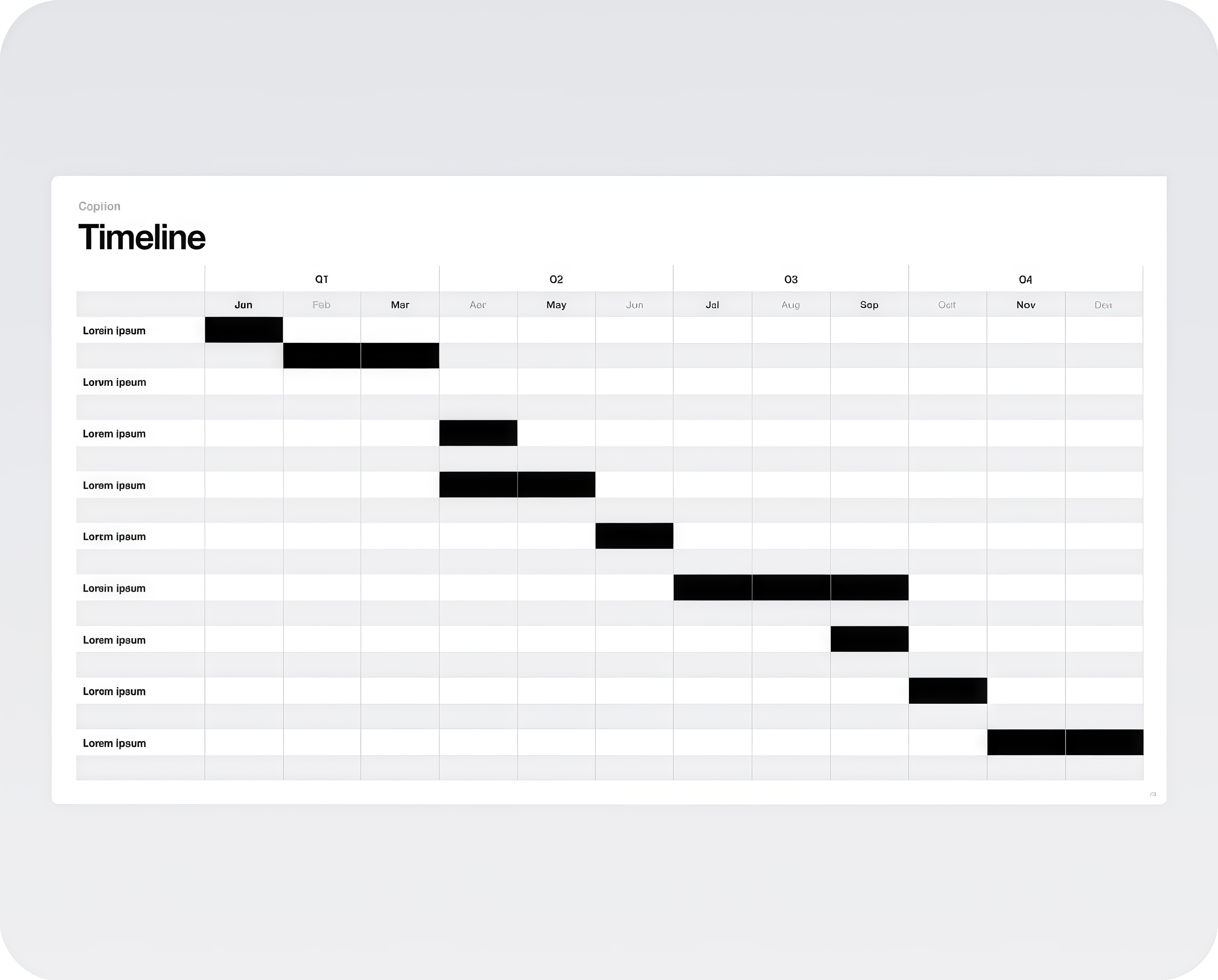
AI Fundraising Timeline: What to Do 90 Days Before You Raise
A practical 3-month preparation plan to make your AI startup investor-ready and improve fundraising speed and outcomes.
Why the last 90 days matter most
In early-stage AI fundraising, investors decide fast – but only when the company looks prepared.
A strong process usually starts before outreach:
- clearer narrative
- sharper traction framing
- clean materials
- diligence readiness
The goal of the 90-day period is simple:
Reduce uncertainty before investors ask.
Day 90-61: Build the story (signal first)
What to do
Define the core narrative
Problem → buyer → solution → proof → scale.
Clarify the AI role
Explain the AI as a product advantage, not a science project:
- why it improves outcomes
- how it integrates into workflows
- what makes it repeatable
Set fundraising milestones
Tie the raise to 2-4 investor-grade milestones (not vague goals).
Map competitors honestly
Create a competitive matrix and define differentiation in 3 points.
What not to do
Don’t over-focus on model details
Don’t build a story around “potential” without proof
Day 60-31: Build investor materials (credibility pack)
What to do
Build the deck (first full draft)
Target 12-15 slides. Prioritize:
- traction trends
- GTM logic
- defensibility
Create a teaser / one-pager
This increases response rates and protects you from oversharing early.
Prepare a lightweight financial snapshot
Simple and believable:
- revenue logic (or pricing logic)
- key cost drivers (compute/inference)
- runway and use of funds
Organize a clean data room
Even early-stage: structure signals maturity.
What not to do
Don’t send investors a deck that still changes weekly
Don’t hide cost drivers – AI economics matter
Day 30-1: Build the pipeline (execution system)
What to do
Build the target investor universe
Segment into Tier A / B / C by:
- stage fit
- ticket size
- AI track record
- category fit
Write outreach messaging
You need 3 formats:
- 1-line summary
- short outreach email
- teaser link message
Prepare investor Q&A
Draft answers to:
- defensibility
- data rights
- adoption pathway
- competition
- compute economics
Create an update rhythm
Weekly/bi-weekly investor update format for momentum.
What not to do
Don’t start outreach without a tracker
Don’t treat fundraising like networking – it’s pipeline execution
What “ready to raise” looks like (quick checklist)
Before you start outreach, you should have:
- a clear investor narrative
- deck + teaser
- traction metrics with trend
- data room structure
- defined raise amount + milestones
- investor list + outreach plan
If this isn’t ready, fundraising becomes slower and more emotional.
Final takeaway
AI fundraising rewards teams that prepare early.
A clean 90-day plan turns fundraising into execution – not chaos.
It helps you raise faster, with better investor confidence and fewer surprises.
At {Company Name}, we help AI teams structure the full fundraising journey – from narrative to investor materials to disciplined deal execution.